

- English
- Español
- Português
- Deutsch
- Français
- Italiano
- हिन्दी
- Русский
- 한국어
- 日本語
- العربية
- ภาษาไทย
- Türkçe
- Nederlands
- Tiếng Việt
- Bahasa Indonesia
- עברית
- Afrikaans
- አማርኛ
- Azerbaijani
- беларуская мова
- Български
- বাংলা
- bosanski jezik
- Català
- Binisaya
- Corsu
- Čeština
- Cymraeg
- Dansk
- Ελληνικά
- Esperanto
- Eesti Keel
- Euskara
- فارسی
- Suomi
- Frysk
- Gaeilge
- Gàidhlig
- Galego
- ગુજરાતી
- Harshen Hausa
- ʻŌlelo Hawaiʻi
- Hmoob
- Hrvatski
- Kreyòl Ayisyen
- Magyar
- Հայերեն
- Asụsụ Igbo
- Íslenska
- Basa Jawa
- ქართული
- Қазақ тілі
- ភាសាខ្មែរ
- ಕನ್ನಡ
- Kurdî
- кыргыз тили
- Lëtzebuergesch
- ພາສາລາວ
- Lietuvių
- Latviešu
- Malagasy fiteny
- Te Reo Māori
- македонски
- മലയാളം
- Монгол
- मराठी
- Bahasa Melayu
- Malti
- မြန်မာစာ
- नेपाली
- Norsk
- Chinyanja
- ଓଡ଼ିଆ oṛiā
- ਪੰਜਾਬੀ
- Polski
- پښتو
- Română
- Ikinyarwanda
- سنڌي
- සිංහල
- Slovenčina
- slovenščina
- Gagana Sāmoa
- ChiShona
- Af-Soomaali
- Shqip
- Српски
- Sesotho
- Basa Sunda
- Svenska
- Kiswahili
- தமிழ்
- తెలుగు
- Тоҷикӣ
- Türkmençe
- Filipino
- татарча
- ئۇيغۇر تىلى
- Українська
- اردو
- Oʻzbek tili
- isiXhosa
- ײִדיש
- èdè Yorùbá
- 中文(简体)
- 中文(漢字)
- isiZulu
Blog
Aluminum vs Steel vs Plastic Battery Enclosures: The Numbers
2026-08-28


Pick a material for a battery enclosure and you will hear the same three-word summaries everywhere: steel is strong, plastic is light, aluminum is balanced. All true, and all useless when you are the one signing the purchase order.
This article compares the three materials the way an engineer would: with the standard numbers (GB, EN, and IEC references included), what each number means on the road, and — because honest articles are more useful than flattering ones — the situations where steel or plastic genuinely beats aluminum.
One number to set the stage: of the battery enclosures being built for EVs today, more than 70% are aluminum, and China's EV battery tray market alone reached roughly RMB 34 billion in 2024. That did not happen because aluminum is fashionable. It happened because the math works. Let's walk through the math.
- Weight: where the argument starts
- Strength: aluminum competes by shape, not thickness
- Heat: the 1,000-to-1 difference
- Corrosion: anodizing versus paint
- Fire and thermal runaway
- EMI shielding: the forgotten line item
- Cost: what each option really costs to put into production
- When steel or plastic is the right answer
- The comparison at a glance
- FAQ
Weight: where the argument starts
The densities, from any materials handbook:
| Material | Density |
|---|---|
| Aluminum (6-series) | 2.70 g/cm³ |
| Mild steel | 7.85 g/cm³ |
| Engineering plastic (PP, PC/ABS) | 1.2–1.5 g/cm³ |
Steel is nearly three times denser than aluminum. Plastic is lighter than both. So far, so obvious — the interesting part is what happens after you turn each material into a box.
A published redesign study on a real EV pack measured it directly: the steel enclosure weighed 58 kg, the redesigned aluminum enclosure 39 kg. A 33% cut, from one substitution. On a delivery three-wheeler, a 19 kg saving either extends range or adds 19 kg of payload, every working day, for the life of the vehicle.
Plastic's on-paper advantage shrinks once you build with it. To match the stiffness of an aluminum wall, a plastic wall needs to be several times thicker or heavily ribbed, and plastic boxes need metal inserts wherever a bolt passes through. The density advantage narrows to a wash, and then the heat column below takes away the rest.
Strength: aluminum competes by shape, not thickness
Raw tensile numbers favor steel, and pretending otherwise wastes your credibility with any engineer:
| Material | Typical tensile strength |
|---|---|
| Mild steel sheet | 300–400 MPa |
| 6063-T6 aluminum (min, EN 755-2) | 205 MPa |
| 6061-T6 aluminum (min, EN 755-2) | 260 MPa |
| 6082-T6 aluminum (min, EN 755-2) | 310 MPa |
| PP / PC-ABS | 20–60 MPa |
But an enclosure is not a tensile test coupon. Aluminum extrusion wins by shaping the cross-section: internal ribs, multi-cavity walls, and integrated mounting channels deliver the bending stiffness of a much heavier steel sheet. This is why "thicker is stronger" is the wrong instinct with extrusions — a ribbed 1.5 mm 6063-T6 wall outperforms a flat 2 mm one at lower weight.
The relevant safety benchmark is not a tug test but a crush. China's GB 38031-2020 requires battery enclosures to resist a 100 kN crush load, and properly designed aluminum enclosures pass it with margin. Hollow aluminum profiles do carry one asterisk worth knowing: they are extruded through porthole dies, so the metal rewelds along internal seams. A qualified weld seam holds 85–95% of the base metal strength — that figure is normal and fine. What matters is that your supplier controls and can document it.
Plastic is the outlier. For small packs and covers it works; for an enclosure that must survive 100 kN of crush, years of vibration, and bolt clamp loads, it is not in the conversation at current material grades.
Heat: the 1,000-to-1 difference
This is the column that ends most material debates:
| Material | Thermal conductivity |
|---|---|
| 6-series aluminum | ~200 W/m·K |
| Mild steel | ~16–50 W/m·K |
| Plastic (PP, PC/ABS) | ~0.2 W/m·K |
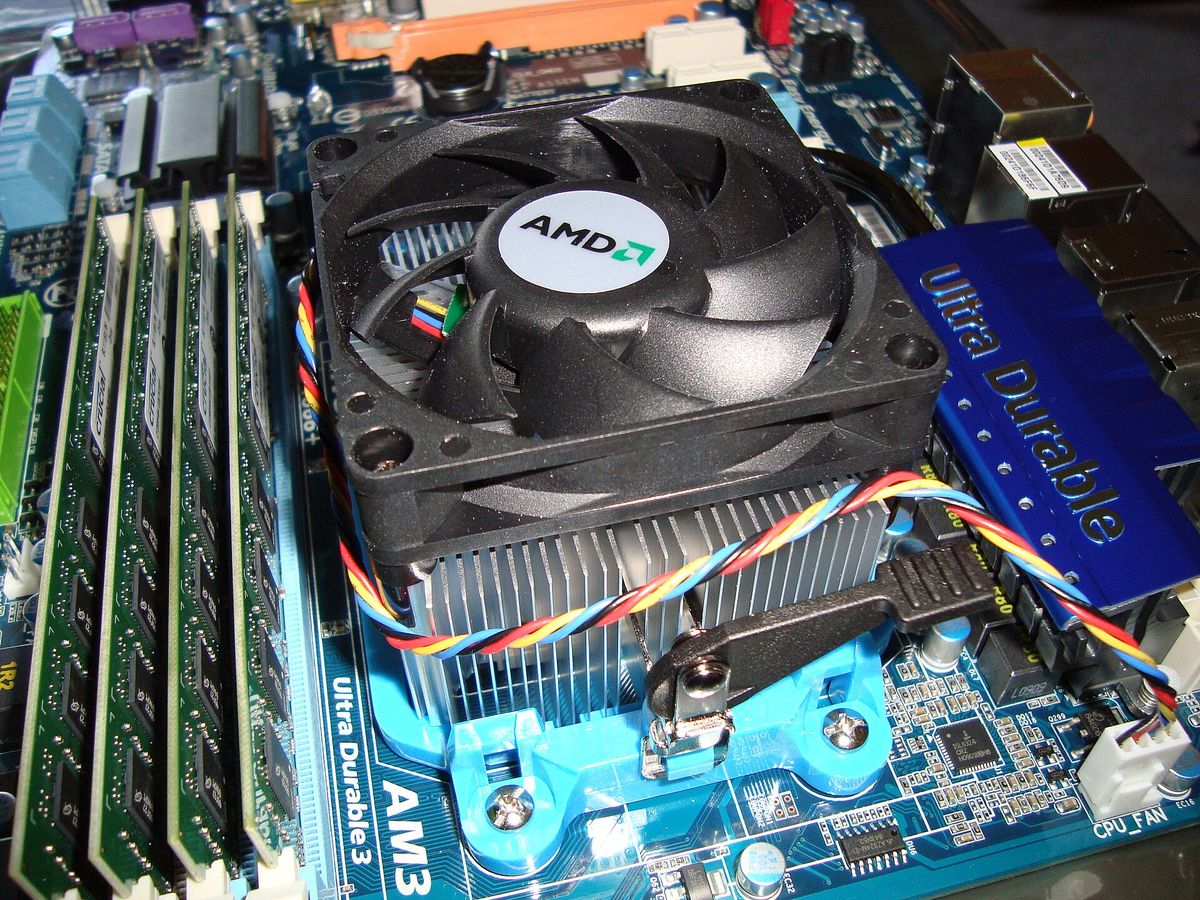
Aluminum moves heat five to ten times faster than steel and roughly a thousand times faster than plastic.
Why the housing's job includes cooling: cell aging accelerates sharply with temperature — as a rule of thumb, every 10°C above the comfort zone roughly halves service life. In a sealed pack with no liquid cooling — which is most two- and three-wheeler packs — the enclosure is the heat sink. Cell heat conducts into the walls, spreads across the full surface, and dissipates. An aluminum box does this passively. A steel box does it reluctantly. A plastic box actively insulates the pack, which is why plastic-enclosed designs almost always pay the money back out through a larger cooling system.
On a 45°C day in Uttar Pradesh, with a sealed black box in the sun, this is not a marginal effect. It is the difference between a pack that ages normally and one that eats its warranty.
Corrosion: anodizing versus paint
Steel corrodes; that is its tax. Steel enclosures depend entirely on paint or powder coat, and corrosion starts at the first scratch — a stone chip on the underside, a bolt hole, a weld seam. Battery boxes live exactly where stone chips happen.
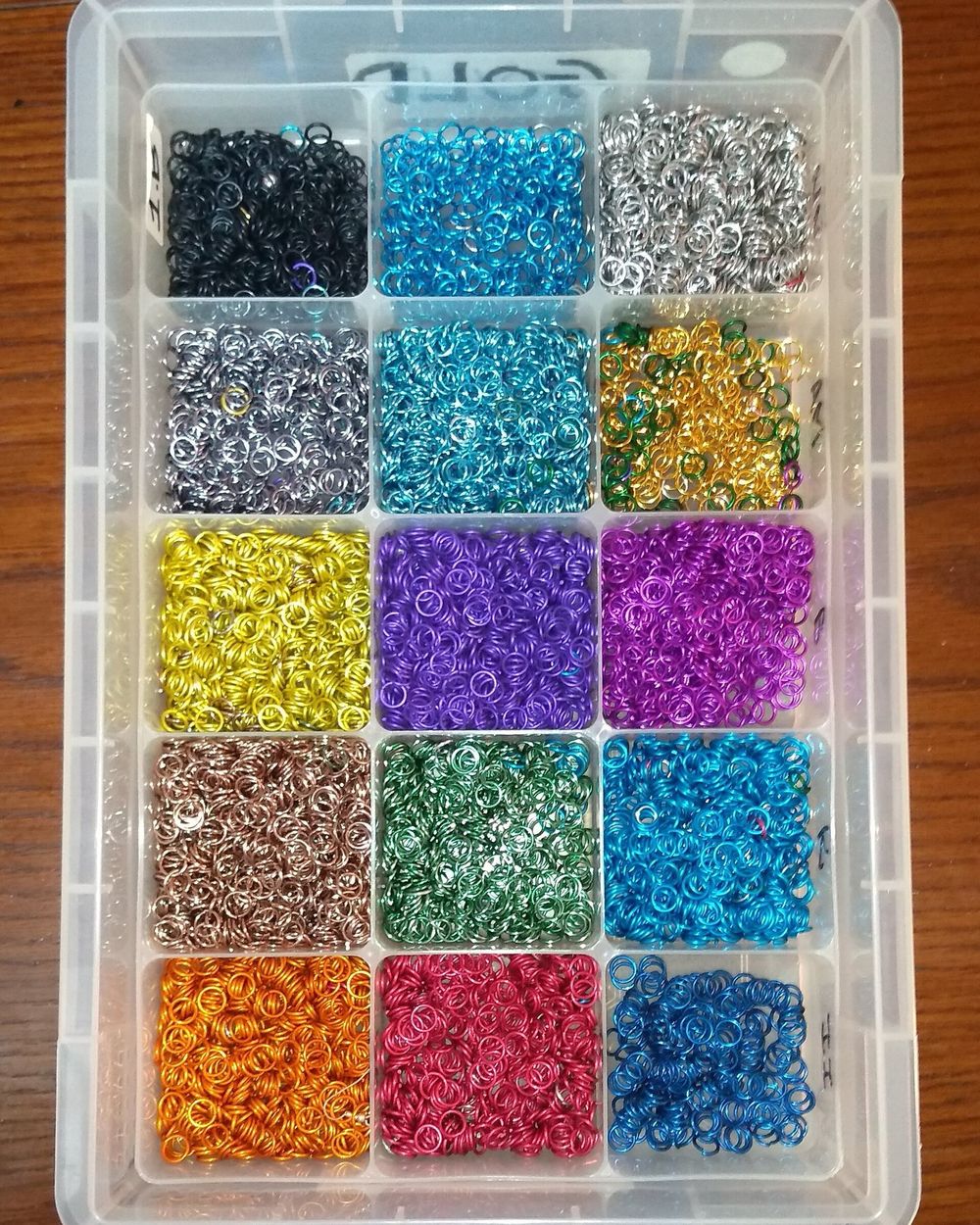
Aluminum self-protects: it forms a thin oxide layer naturally. Anodizing industrializes that — growing the oxide layer electrochemically to 10–15 µm (AA10–AA15) so it becomes a hard, integral surface that cannot peel. Anodized aluminum routinely passes 1,000+ hours of neutral salt spray testing. For monsoon and coastal service, that is the difference between an enclosure that looks fine at year three and one that is rusting from its scratches.
Plastic does not corrode — a genuine point in its favor, and the reason plastic still owns the inner covers and small sealed modules. Its aging risks are elsewhere: most engineering plastics are rated for continuous use around 80–105°C, and they embrittle under long heat-plus-UV exposure. Under a dark vehicle in an Indian summer, that limit gets tested.
Fire and thermal runaway
Regulation now treats the enclosure as part of the fire strategy. India's AIS 156 (Phase 2, in force since March 31, 2023) requires thermal propagation testing — trigger a single cell failure and the pack must not cascade. Aluminum and steel do not burn and maintain containment while the event plays out, which makes propagation behavior far easier to engineer and certify.
Plastics can reach UL94 V-0, meaning the flame self-extinguishes when the source is removed. But V-0 is about not spreading fire, not about surviving it — plastic softens well below the temperatures a runaway cell produces, and a softened enclosure provides little containment. This is why even plastic-adjacent designs keep a metal layer in the fire path.
EMI shielding: the forgotten line item
Battery packs switch high currents, and the BMS must stay readable. A metal enclosure is a Faraday cage: aluminum gives you >60 dB of shielding effectiveness essentially for free. A plastic enclosure is transparent to EMI — closing that gap needs conductive coatings or molded-in metal mesh, both of which quietly erase plastic's cost advantage and add process steps that can fail.
This line item rarely appears in a material comparison spreadsheet, and it is the one that most often forces a late-stage switch back to metal.
Cost: what each option really costs to put into production
The honest version of the cost story has three layers.
Tooling. An extrusion die for an aluminum box typically runs in the low thousands of dollars and is cut in 1–3 weeks. An injection mold for a comparable plastic enclosure starts in the tens of thousands and takes months. Stamping die sets for steel sit in between. For anything below six-figure annual volumes, extrusion's tooling math is unbeatable.
Per-unit price. Steel wins on raw material cost, no caveats. Aluminum per kilo costs more, but the box needs fewer kilos — a 30–40% weight reduction claws back much of the difference. The BYD Blade Cell is the extreme case of how thin aluminum can go when engineered deliberately: its cell shell runs about 0.8 mm of aluminum strip.
Lifetime cost. The part people skip. A steel box that is 20+ kg heavier than aluminum costs range or payload every day in commercial service. A plastic box's insulating walls cost cooling capacity. A painted steel box's first deep scratch starts a corrosion clock in humid markets. Price the enclosure over the vehicle's life, and aluminum usually stops being the expensive option.
When steel or plastic is the right answer
Three honest cases, because blanket answers are how projects end up over-engineered:
Stationary storage and lead-acid racks. If the battery never moves and weight is irrelevant — telecom base stations, fixed ESS racks, lead-acid tray frames — steel's upfront price advantage wins outright. Nobody needs a 39 kg enclosure for a battery bolted to a floor.
Small sealed modules and inner covers. Low heat, low mass, high volumes: plastic injection molding is the correct process, and the tooling amortizes beautifully. This is why even aluminum-intensive packs keep plastic top covers and internal spacers.
Extreme one-off structural loads. Where a standard calls for something beyond a 100 kN crush scenario and weight is unconstrained, thick steel is simpler and cheaper than escalating aluminum alloys.
Everything that moves daily in hot climates — e-rickshaws, e-scooters, e-loaders, EVs — falls outside all three cases. That is the market aluminum owns.
The comparison at a glance
| Property | Aluminum | Steel | Plastic (PP/PC-ABS) |
|---|---|---|---|
| Density | 2.70 g/cm³ | 7.85 g/cm³ | 1.2–1.5 g/cm³ |
| Tensile (typical grades) | 205–310 MPa | 300–400 MPa | 20–60 MPa |
| Crush-test capability (GB 38031 class) | Passes with margin | Passes | Not practical at size |
| Thermal conductivity | ~200 W/m·K | ~16–50 W/m·K | ~0.2 W/m·K |
| Corrosion approach | Anodize AA10–15, 1,000h+ salt spray | Paint/coating, scratch-sensitive | No rust; heat/UV aging |
| Fire behavior | Non-combustible | Non-combustible | V-0 grades soften/melt |
| EMI shielding | >60 dB | Good | None without coatings |
| Tooling to first parts | ~$1–3k, 1–3 weeks | Mid, weeks–months | $10k+, months |
| Enclosure weight vs steel | 30–40% lighter | Baseline | Light but needs reinforcement |
| Best fit | Moving EV packs, hot climates | Static, cost-driven, lead-acid | Small modules, covers, high volume |
FAQ
Is aluminum strong enough for an EV battery enclosure? Yes — with the right design. Extruded 6063-T6 (205 MPa minimum tensile) or 6061-T6 (260 MPa minimum) profiles with ribbed, multi-cavity cross-sections pass the 100 kN crush requirement of GB 38031-2020 and similar standards. The strength is designed into the cross-section, not bought as extra wall thickness.
Why does thermal conductivity matter for a battery box? In sealed packs without liquid cooling, the enclosure is the heat sink. Aluminum conducts heat ~5–10× better than steel and ~1,000× better than plastic, pulling cell heat out through the walls and spreading it across the enclosure surface. Since every 10°C over the cells' comfort zone roughly halves their life, the housing material directly affects warranty cost.
Isn't steel cheaper? On material per kilo, always. On total program cost, rarely at EV volumes: extrusion tooling costs a few thousand dollars versus months and tens of thousands for injection molds, a 30–40% lighter box offsets much of the per-kilo premium, and there is no paint system to specify, inspect, and watch corrode.
Do plastic battery enclosures work at all? For small packs, inner covers, and high-volume modules, yes — light, corrosion-proof, and cheap once tooling amortizes. For full EV enclosures, plastic's 0.2 W/m·K conductivity and ~80–105°C continuous-use ceiling are disqualifying in practice.
Does an aluminum enclosure need paint? No. The standard is anodizing at AA10–AA15: a hard oxide layer grown into the surface that passes 1,000+ hours of salt spray and cannot chip or peel.
Can you manufacture to our enclosure design? We extrude, CNC-machine, and anodize aluminum battery enclosures across our integrated production network, with mill test certificates and tolerance reports — and every stage is open to your audit.
How do I get a quote? Send your pack dimensions, cell layout, target IP rating, and annual quantity to WhatsApp +86 133 0570 9557 or info@aymetals.com. You'll get a design review with numbers, usually within one working day.
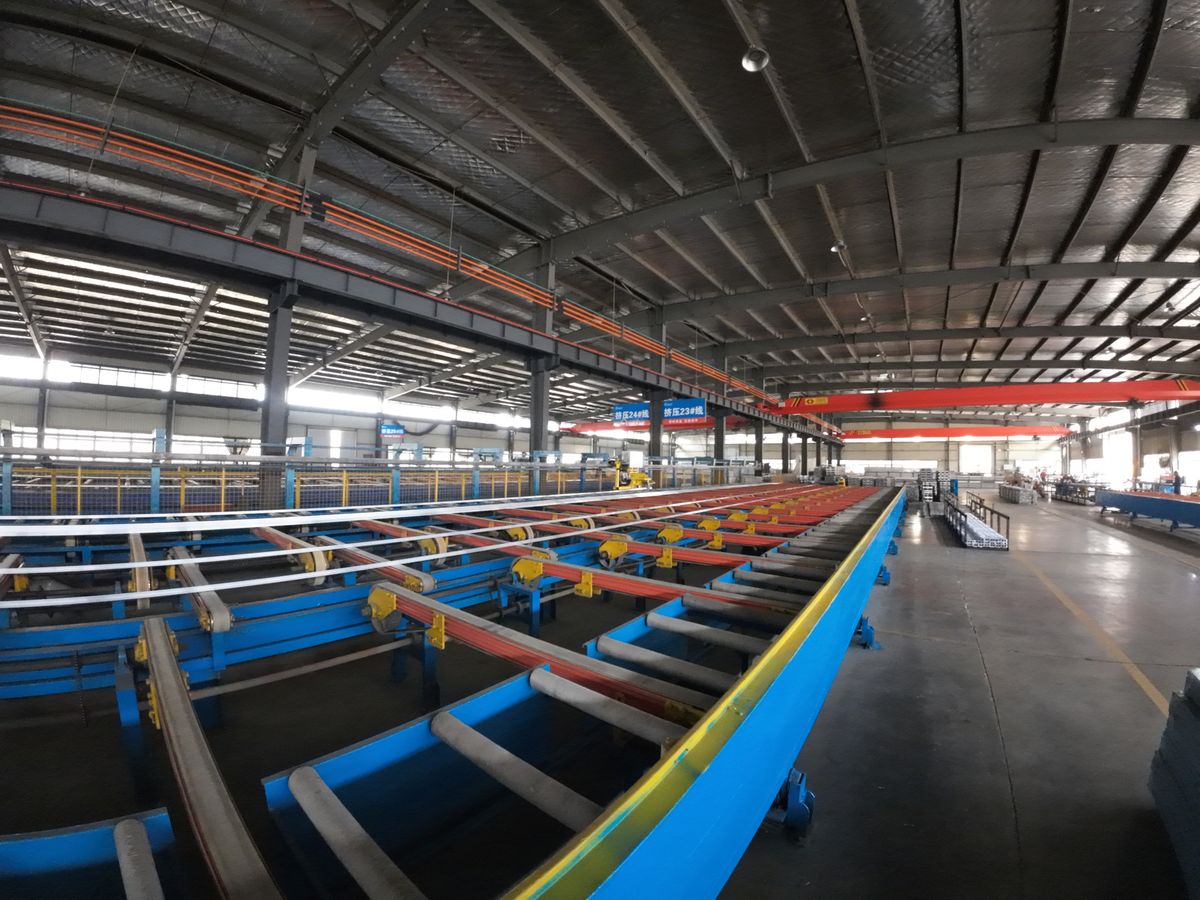
Images: aluminum heat sink by Mike Babcock (CC BY 2.0); anodized aluminum parts by Arpingstone (public domain) - via Wikimedia Commons. Production line photo by AOYIN.
Request a Quote
Need a custom aluminum battery box for e-rickshaw or 3-wheeler EV? Send us your drawing or specs and we will reply within 24 hours.
WhatsApp UsEmail info@aymetals.com
WhatsApp: +86 133 0570 9557 | Email: info@aymetals.com
Related: How to Choose an Aluminum Battery Box for Your E-Rickshaw | Battery Trays & Covers
ΣΧΕΤΙΚΑ ΝΕΑ

Need Aluminum Battery Enclosures?
From extrusion to CNC machining and anodizing, AOYIN delivers end-to-end manufacturing for EV battery housings.
-
-
-
-

WeChat QR Code


